Skip to content
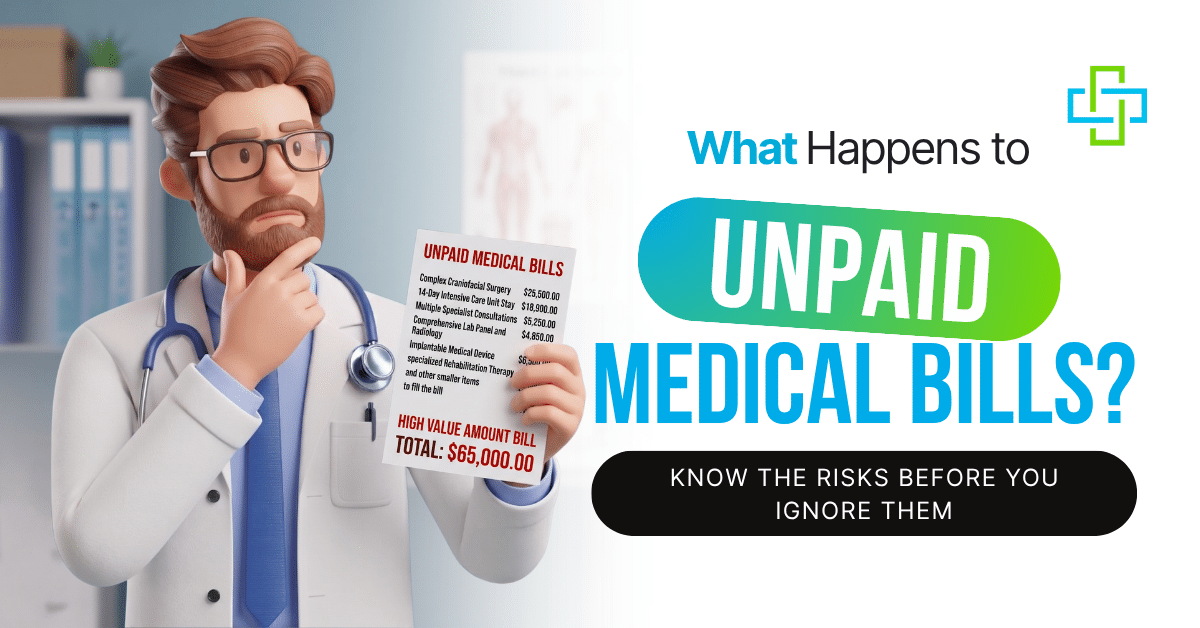
What happens to unpaid medical bills is something many people worry about after a doctor’s visit or hospital stay. You get the bill in the mail. You pay what you can or set it aside for a while. Then the notices start coming.
The bill usually starts with the provider sending a statement. Most offices give you 30 days to pay the full amount or set up a plan. If you miss that first deadline, they send another notice. Sometimes they add a late fee. At this point, the office handles it itself with calls or letters.
Many people put the bill aside because money is tight or the amount looks too high. After 60 to 120 days, the provider often sends the unpaid balance to a collection agency. Some sell the debt to a company that then tries to collect it.
What Happens to Unpaid Medical Bills When They Go to Collections
Once the bill moves to collections, you start hearing from a new company. They send letters and make phone calls. They have to follow rules that stop them from calling too early or too late or using mean language. Still, the contacts can feel constant.
Collections agencies may offer to settle for less than the full amount. If you agree, make sure you get the deal in writing first. Paying a smaller amount can stop the calls, but the account may still show on your credit for some time.
How Unpaid Medical Bills Affect Credit
Unpaid medical bills that go to collections can show up on your credit report if the amount is over $500 and more than a year old. This can lower your credit score. A lower score makes it harder to get loans or rent a place.
Credit bureaus wait one year before adding most unpaid medical collections. They also no longer list paid medical debt and usually omit debts under $500. Even with these changes, larger unpaid amounts can still hurt your score for up to seven years.
Note that rules around medical debt on credit reports have changed several times in recent years.
The CFPB proposed removing medical debt from credit reports entirely, but a federal court refused to do so in July 2025. It means unpaid medical bills over $500 can still appear on your credit report and upset your score. Always check your own credit report to see what appears.
Legal Steps That Can Happen
If the collection agency cannot get payment, it may take the case to court. If they win, they can ask to take money from your paycheck or from your bank account. In some cases, they can put a lien on property.
Not every unpaid bill ends up in court. Many providers would rather work out a payment plan than go through legal steps. Talking to the billing office early often leads to better options.
Why Medical Bills Often Stay Unpaid
High costs after insurance, plus confusing paperwork, leave many people unsure what they owe. Some bills have mistakes from the start. Others come from big procedures that leave large balances.
When people cannot pay, they sometimes skip future appointments. That can create more health issues and bigger bills later.
Here are common reasons bills go unpaid:
- Insurance pays only part and leaves a large patient share
- The bill has coding errors that insurance denies
- The patient does not understand the explanation of benefits
- Money is tight after a major medical event
- The patient forgets or puts the bill aside
How Medical Billing Services Help
Medical billing services, such as Prime Well Medical Solutions, manage claims for doctors and clinics. They send claims to insurance companies and follow up when payments are slow. Good services catch problems early so patients do not get stuck with bills that insurance should have paid.
Practices that use medical billing services usually send clearer statements. They also offer payment plans before the balance grows too large. This cuts down on the number of bills that turn into unpaid debt.
Medical billing services also help by checking insurance coverage before the visit, submitting clean claims the first time, following up on denied claims quickly, and giving patients clear cost estimates upfront.
Why Medical Billing and Coding Matter
Medical billing and coding turn every visit and procedure into codes that insurance companies read. If the codes are wrong, the claim gets denied, and the patient ends up with the full cost.
Accurate medical billing and coding means claims get paid faster. Fewer denials mean smaller amounts passed to the patient. When this step is done well from the beginning, fewer bills sit unpaid for long periods.
Good coding also reduces mistakes that cause surprise bills. It helps the whole process move more smoothly for both the office and the patient. A small coding error can turn a covered service into something the patient has to pay out of pocket. When coders do their job properly, insurance pays what it should, and the patient’s responsibility stays lower. This one step can stop many bills from becoming big problems later.
Not to forget, medical debt is the leading cause of bankruptcy in the United States and makes it really difficult to act before bills go out of control.
What You Can Do About an Unpaid Bill
Open the bill and look at every line. Check the insurance explanation to see what was covered. Call the billing office and ask questions if anything looks off.
If the amount is correct, tell them you want to pay but need time. Many offices set up monthly plans. Ask about discounts for paying a lump sum or about help programs at the hospital.
If the bill is already with a collector, ask for proof of the debt in writing. Look for any mistakes and dispute them. Keep records of every call and letter.
You can also ask the billing department for an itemized list so you can see exactly what each charge is for. Sometimes just calling and explaining your situation leads to a better payment arrangement. Do not wait until the bill gets worse.
Extra Steps That Can Help
Some states give extra time before collectors can report the debt or file a lawsuit. Check the rules where you live.
Talk to a nonprofit credit counselor if you have several bills. They can help sort out which ones to pay first.
For very large amounts, some people look at bankruptcy as a last option but that has its own long-term effects.
You can also contact patient advocacy groups in your area. They sometimes help negotiate with hospitals and collection agencies. Taking these extra steps can give you more time and better choices.
If you want to know how to avoid scam medical bills then read our blog.
Ways to Avoid Unpaid Bills in the Future
Ask for a cost estimate before any big procedure. Know your insurance deductible and what you might owe.
Keep every paper from your insurance. Appeal any denial quickly if it looks wrong.
Choose doctors and hospitals that work with your insurance plan.
Work with offices that have strong medical billing services so the paperwork stays clear from the start.
It also helps to ask questions during the visit about what will be billed and what insurance will cover. Being proactive before the bill even arrives can save a lot of trouble later.
The Ending Note
Prime Well Med Solutions helps with medical billing services and medical billing and coding for healthcare practices. They set up systems that send clean claims and reduce errors so fewer bills end up unpaid. Their work supports steady tracking of accounts and clear communication with patients. This keeps the focus on care instead of chasing payments. What happens to unpaid medical bills usually moves from reminders to collections to possible credit damage and, in some cases, legal action.
The exact path depends on the amount and how fast you respond. Many issues start with billing mistakes or hard to read insurance papers. Using solid medical billing services and careful medical billing and coding catches problems early and keeps more balances from growing.
If you have an unpaid bill now reach out to the office soon. Ask questions and look for payment options. Acting early usually leads to easier solutions and fewer headaches later. Medical costs bring enough stress. Knowing the steps and taking small actions can protect your money and let you focus on health.