Skip to content
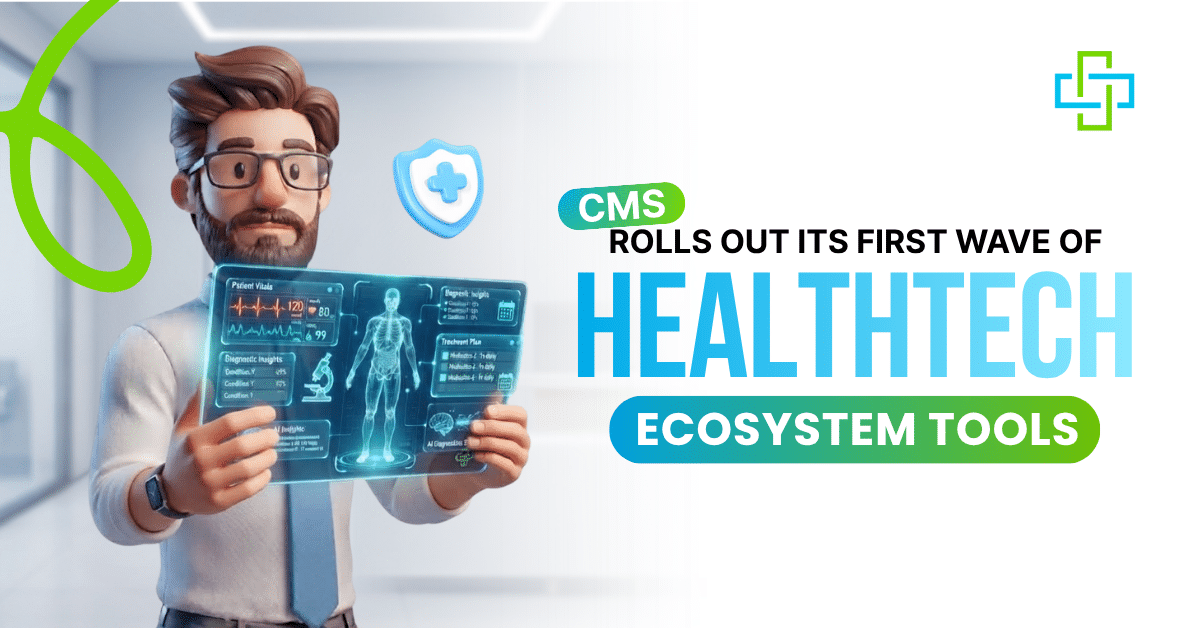
On April 9, 2026, CMS presented its HealthTech Ecosystem Tools to the public for the first time in an event called “HealthTech Ecosystem Live!” held in Washington, D.C. The pitch was straightforward: patients were able to use a collection of digital tools from their mobile devices in place of clipboards, fax machines, and endless paperwork.
HealthTech Ecosystem Tools: Tracking How Exactly CMS Got Here
It took time for this standard to take place. In July 2025, CMS issued an invitation to industry for technology and healthcare firms to contribute to the development of a networked digital health ecosystem based on a common interoperability architecture.
More than 700 organizations pledged support at the time. To make it into this first wave, companies had to hit a Minimum Viable Product deadline of March 31, 2026, a filter that narrowed the field from hundreds of pledges down to roughly 50 companies with something ready to actually show.
What Got Demonstrated?
The event was held together by two types of healthtech ecosystem tools. The first, called “Kill the Clipboard,” removes the need for patients to fill out the same standardised intake form at each new physician by allowing them to check in and submit their information via a phone scan. One of the businesses honoured for its version of this digital input solution was HealthTree Foundation, which focuses on giving patients choice over the amount and recipients of their medical data.
The second category covered personalized health apps, tools offering guidance on nutrition, wellness, and chronic disease management that extend past the walls of a clinic visit. eClinicalWorks, a major player in cloud-based EHR and practice management software, was among the companies represented.
So was Doctronic, an AI-powered platform connecting patients to clinicians digitally, and Centauri Health Solutions, which powered live demonstrations of real-time data exchange using its Secure Exchange Solutions product, separately recognized as the top-ranked ADT notification vendor in this year’s Best in KLAS report.
CMS Administrator Dr. Mehmet Oz framed the event as overdue, noting that American patients have been stuck navigating a health system that trails the technology they rely on everywhere else in their lives.
The Medicare App Library Behind It All
Underpinning the launch is a Medicare App Library CMS first announced plans for in February 2026. The library is meant to give Medicare beneficiaries a vetted way to find patient-facing digital tools that connect to CMS Aligned Networks, rather than hunting through app stores with no way to verify what’s actually compatible with their coverage.
CMS has said it’s focusing the library’s early expansion on three use cases: patient intake, conversational AI assistants, and support for diabetes and weight management, a fairly clear signal of where the agency expects the next wave of healthtech ecosystem tools to come from.
Just as CMS is vetting patient-facing apps for this library, it already runs a parallel vetting process on the reporting side through its CMS-qualified registries. Prime Well Med Solutions holds that qualified registry status, which means practices working with them are already plugged into the kind of vetted, standards-based data exchange CMS is pushing toward with this launch.
Patient engagement tools from this ecosystem are more than just a convenience feature; they are a resource that practices can use to strengthen the same indicators that Prime Well Med Solutions helps them track. This is because the diabetes and weight management use case that CMS is prioritising directly aligns with quality measures practices already report on.
The Bigger Players Standing Behind It
The first wave isn’t just smaller health tech startups. Amazon, Apple, Google, Epic, and UnitedHealth Group are among the larger organizations that pledged support for the broader interoperability framework this launch sits inside.
On the provider side, health systems including Intermountain Health and Cleveland Clinic have committed to enabling patient use of CMS Aligned Networks, meaning the infrastructure isn’t just being built by tech vendors, it’s being adopted by systems patients already use.
Why It’s Worth Watching if You Work in Healthcare Billing or Ops?
For organizations working in medical billing, digital intake, or patient engagement, this launch matters less for the demo itself than for the direction it signals. A national push toward FHIR-based data exchange and standardized digital check-in tools means intake workflows, prior authorization processes, and patient data verification are all likely candidates for disruption over the next year or two, especially as CMS keeps adding vetted apps to the Medicare App Library.
Companies already building toward interoperability standards now will have a head start once more of these tools move from pilot to default expectation.
It’s also easy to overlook the clear connection between this launch and MIPS scoring. Promoting interoperability already makes up 25% of a provider’s MIPS score, and it assesses the same FHIR-based exchange standards that form the foundation of this ecosystem. Early use of these tools helps practices improve their Promoting Interoperability score while also modernising input.
Cleaner digital intake and real-time data interchange on the billing side also result in fewer eligibility problems and denials upstream, which is where a lot of preventable revenue cycle friction begins. Instead of considering interoperability upgrades as two separate initiatives, Prime Well Med Solutions works with practices on precisely this overlap, assisting them in turning them into improved MIPS performance and a more seamless revenue cycle.