Skip to content
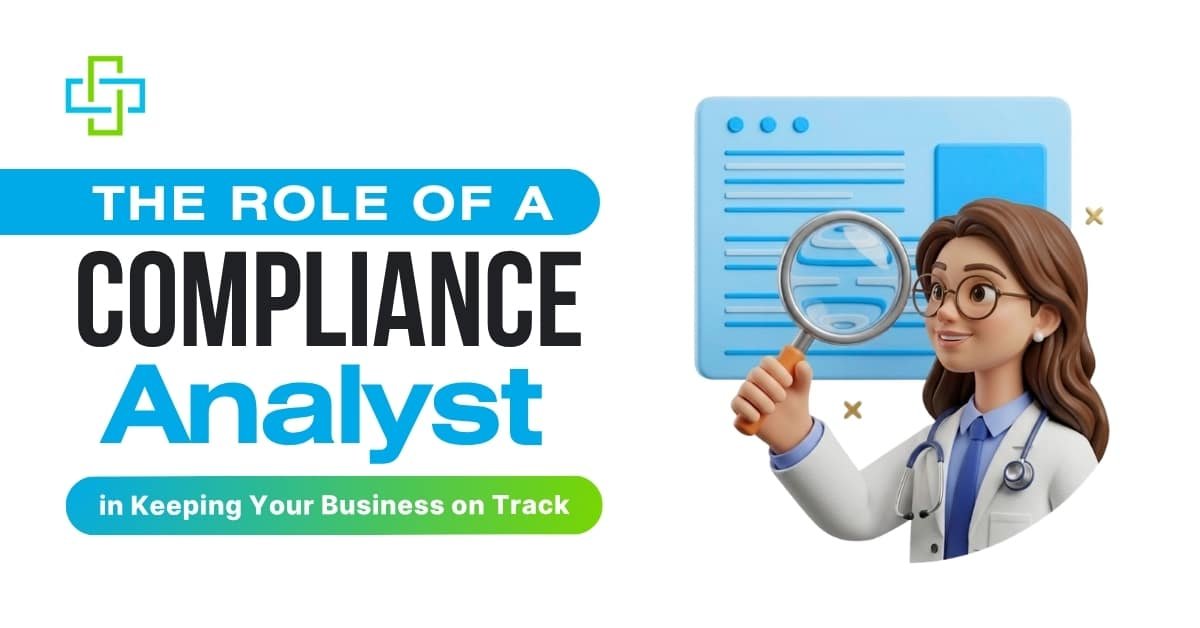
Understanding what a compliance analyst is starts with knowing they keep your business legal and protected. Prime Well Med Solutions watch regulations, track changes, and prevent costly mistakes for healthcare companies that need our help. A compliance analyst handles this work so you can focus on treating patients.
Too many healthcare businesses get fined for missing a rule change or for documenting something incorrectly. The job exists to prevent these problems. They check everything from patient data handling to billing practices. We have seen how much this helps our clients avoid trouble.
Why Businesses Need This Compliance Analyst Role?
Healthcare handles sensitive patient information, insurance billing, and medical records. One mistake can cost millions in fines. Having a compliance analyst prevents these problems as clients struggle without dedicated help.
Regular staff already have full workloads. Asking your office manager to track HIPAA updates does not work well. They miss changes or forget deadlines. Rules change constantly, too. HIPAA updates and Medicare billing changes happen throughout the year. Someone needs to monitor these updates.
What Is a Compliance Analyst in Healthcare?
The compliance analyst in healthcare settings watches regulations, audits processes, trains staff, and prepares for inspections. They work between legal requirements and daily operations. We help our clients understand this role.
They spend time reading new regulations, checking if practices follow rules, and fixing gaps. This includes reviewing consent forms, auditing billing codes, and verifying training records. It takes more time than most people expect. The work requires knowledge of healthcare laws.
Important Tasks a Compliance Analyst Can Handle
These activities protect your business. We learned which tasks matter most by watching what caused problems for our clients when things got missed.
Monitoring Rule Changes
Laws and regulations are updated frequently. A compliance analyst tracks changes across federal, state, and local levels. They read updates from CMS, state medical boards, and HIPAA enforcement.
When a change happens, they create an action plan. We have seen how confusing new regulations can be, even for experienced staff.
Auditing Processes
Regular audits catch problems before inspectors do. They review how you handle patient data, process claims, and store records. Internal audits save money compared to failing official inspections. Finding gaps early lets you fix them privately. We recommend monthly or quarterly reviews based on what we have seen work.
Training Staff
Your team needs to know compliance rules. Training programs get created and tracked. Ongoing training prevents most mistakes. People forget things or develop shortcuts over time. Regular sessions remind everyone why procedures exist.
Preparing Documentation
Auditors want proof that you follow regulations. Training records, audit reports, and policy updates are maintained. We learned that this matters more than perfect policies that nobody can find when needed.
Responsibilities of Senior Compliance Analysts
As someone grows in the role, responsibilities expand. The responsibilities of a senior compliance analyst include overseeing other staff, developing policies, and representing the organization in regulatory discussions. We work mainly with senior analysts on projects that demand extra attention.
The senior team handles bigger strategies, while junior staff focus on monitoring. They might design your entire program or negotiate with regulators. Their experience prevents mistakes that cost time and money.
They also mentor junior staff and review high risk situations.
How Compliance Consulting Services Help?
Not every business can afford full time help. Services provide expertise without permanent hiring. We offer compliance consulting services that fill this gap for our clients.
Consultants perform audits, review policies, and provide training. They work on your schedule and focus on specific needs. We started offering these services after seeing how many smaller practices needed help but could not justify a full time position.
These services work well for special projects like preparing for accreditation or responding to investigations. Temporary intensive work makes more sense with consultants than recruiting permanent staff.
Issues You Might Face Due to the Lack of a Compliance Analyst
Running a healthcare business without a compliance analyst creates serious risks. Fines from HIPAA violations can reach millions of dollars, and billing errors often trigger audits that take months to resolve.
We have watched practices scramble after receiving notices they were not prepared for. Staff without proper guidance develop bad habits around documentation and data handling. These habits become expensive problems later.
Missing a single regulatory deadline can put your license at risk. Patient trust also suffers when incidents occur that proper oversight would have prevented. Investigations take time away from patient care and damage your reputation in the community.
Most of the organizations we help come to us after something has already gone wrong. Getting ahead of these issues costs far less than fixing them after the fact.
The Last Thoughts
Success happens when your business operates smoothly without incidents. You pass audits and avoid fines. Success is usually measured by how quickly problems get caught and fixed.
Staff understand compliance as part of their jobs. Training happens regularly. Documentation is organized and accessible, which reduces stress during inspections.
Prime Well Med Solutions helps healthcare organizations build these programs. Whether you need to understand what a compliance analyst is, hire for the role, or access compliance consulting, we guide you. Good compliance analyst work keeps your business safe and protects your patients.